
Business IT
Social Engineering: The Human Hack You Need to Watch Out For
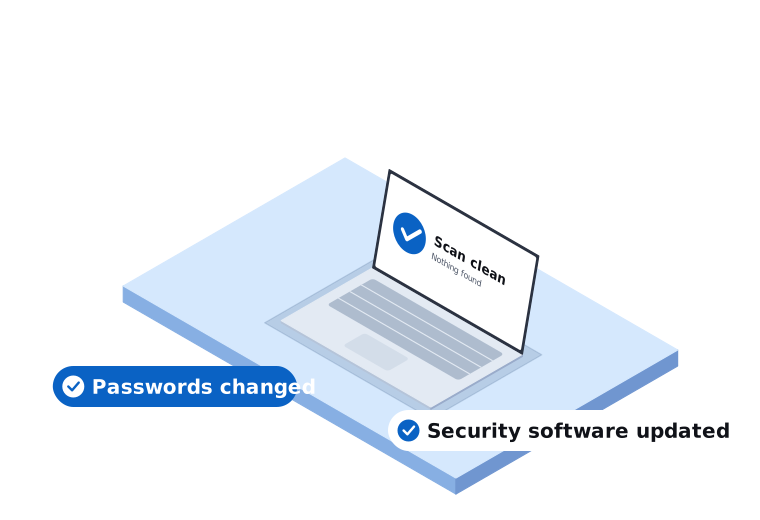
When we think of hacking, we often picture someone breaking into a system with lines of code. But one of the most effective forms of cyberattack doesn’t target computers: it targets people. This technique is known as social engineering, and it’s one of the leading causes of security breaches worldwide.
What is social engineering?
Social engineering is the manipulation of individuals into divulging confidential information or performing actions that compromise security. Instead of breaking through firewalls, attackers use deception, urgency, and trust to trick their targets. It’s essentially hacking the human element: no malware required, just a convincing enough story.
Common social engineering tactics
Here are the methods we see most often against Melbourne small businesses:
-
Phishing emails: fake emails designed to look legitimate, often impersonating banks, Microsoft, or your own IT team, to trick you into clicking links or entering credentials
-
Phone scams (vishing): a scammer poses as tech support, a colleague, or even law enforcement to get sensitive information over the phone
-
SMS attacks (smishing): text messages claiming to be from a service you use, asking you to click a malicious link
-
Impersonation: someone physically or digitally pretends to be someone you trust, like a co-worker or vendor, to gain access or influence
-
Baiting: leaving USB drives or download links containing malware, hoping someone takes the bait
Real-world consequences
Falling for a social engineering attack can have serious consequences, including:
-
Stolen login credentials
-
Unauthorised access to company systems
-
Ransomware infections
-
Financial theft
-
Data breaches that impact customers and partners
Small and mid-sized businesses are often the most vulnerable, because attackers know they may lack strong security processes.
What you can do
Be sceptical of unsolicited communication
Always verify before clicking links, downloading attachments, or sharing sensitive information.
Train your team
Regular cybersecurity awareness training is one of the strongest defences against social engineering.
Enable MFA (multi-factor authentication)
This adds an extra layer of protection even if credentials are stolen.
Keep software and systems updated
Many attacks rely on exploiting outdated software.
Think you’ve been targeted? Don’t wait.
If you suspect you’ve fallen victim to a phishing attack or other social engineering scam, time is critical: the sooner you act, the better your chances of limiting the damage. Our team can:
-
Assess the situation and secure your systems
-
Identify what (if anything) was accessed or exposed
-
Guide you through the next steps in plain English
-
Set up cybersecurity training, email protection, and monitoring so it doesn’t happen again
Frequently asked questions
What’s the difference between phishing and social engineering?
Phishing is one specific type of social engineering: usually a fake email or message. Social engineering is the broader category, covering any manipulation tactic (phone calls, impersonation, physical access, baiting) used to trick a person rather than a system.
Can antivirus software stop a social engineering attack?
Not on its own. These attacks target human judgement, not software vulnerabilities, so antivirus and firewalls won’t stop someone from willingly handing over a password. Staff training and verification habits are the actual defence.
Is MFA really enough protection on its own?
It’s a major improvement but not a silver bullet: sophisticated attacks can still prompt-bomb or social-engineer a second factor. Pair MFA with staff awareness training and monitoring for the strongest protection.
How do I train my team to recognise these attacks?
Regular, short awareness sessions work better than a single annual training day. Simulated phishing tests, clear reporting steps for suspicious messages, and a no-blame culture around reporting mistakes all make a measurable difference.
What should I do immediately if I think someone on my team has been targeted?
Don’t wait to see if anything bad happens. Change any potentially exposed passwords from a different device, alert your bank if financial details were involved, and call us: the faster we can check what was accessed, the more damage we can prevent.
Stay vigilant. Stay secure.
Cybercriminals are getting smarter, but so can you. We support homes and businesses across Melbourne’s south east, on-site or remotely. Call us on 03 9970 9107 or send us a message.
Need a hand with this?
Tell us what's going on. We'll explain your options in plain English.